
Small Group Tours vs Large Group Tours: How to Choose
Group size changes almost everything about a trip: the price, the pace, and who you'll be sharing dinner with. Here's how to pick the right fit.
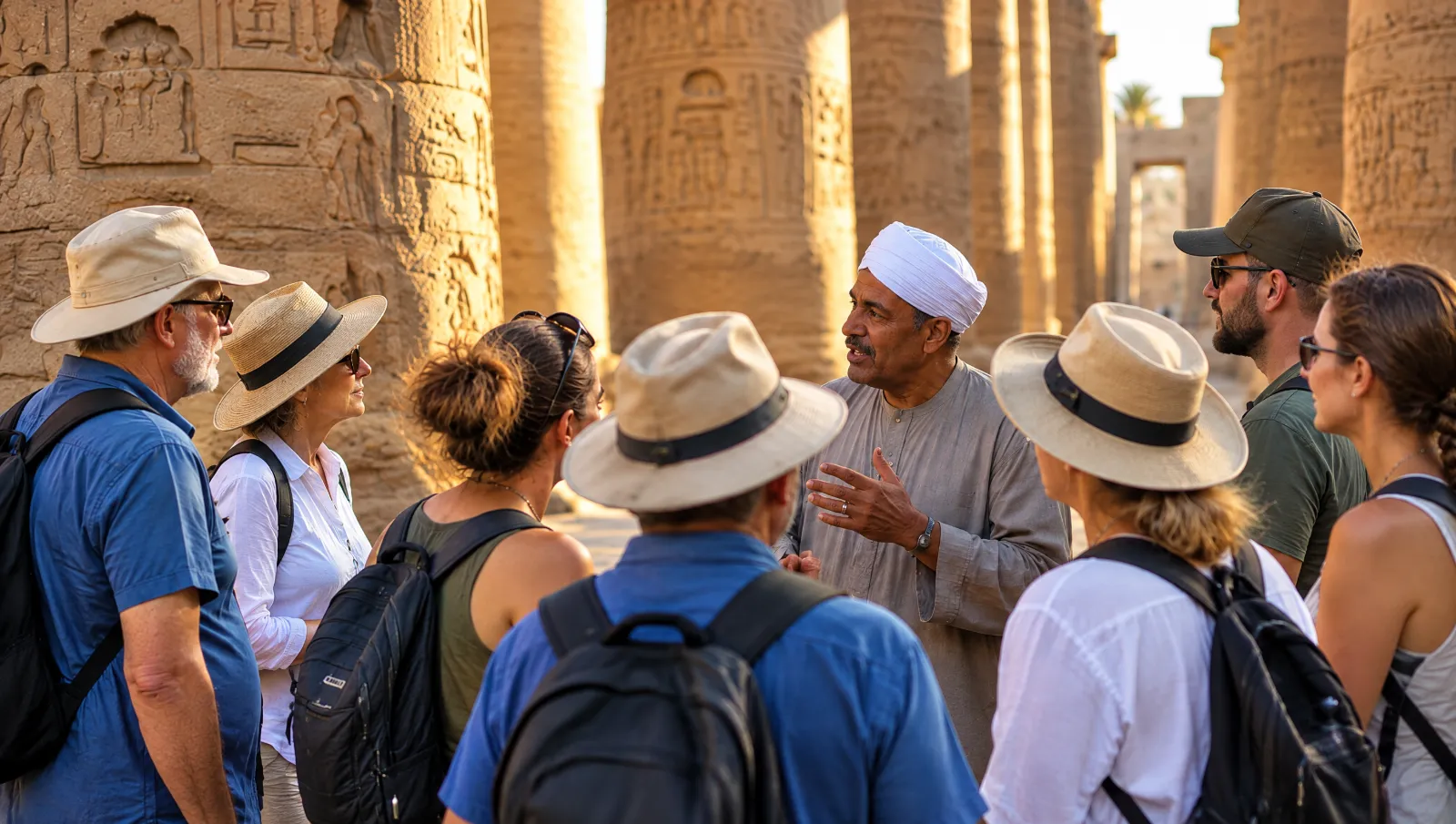
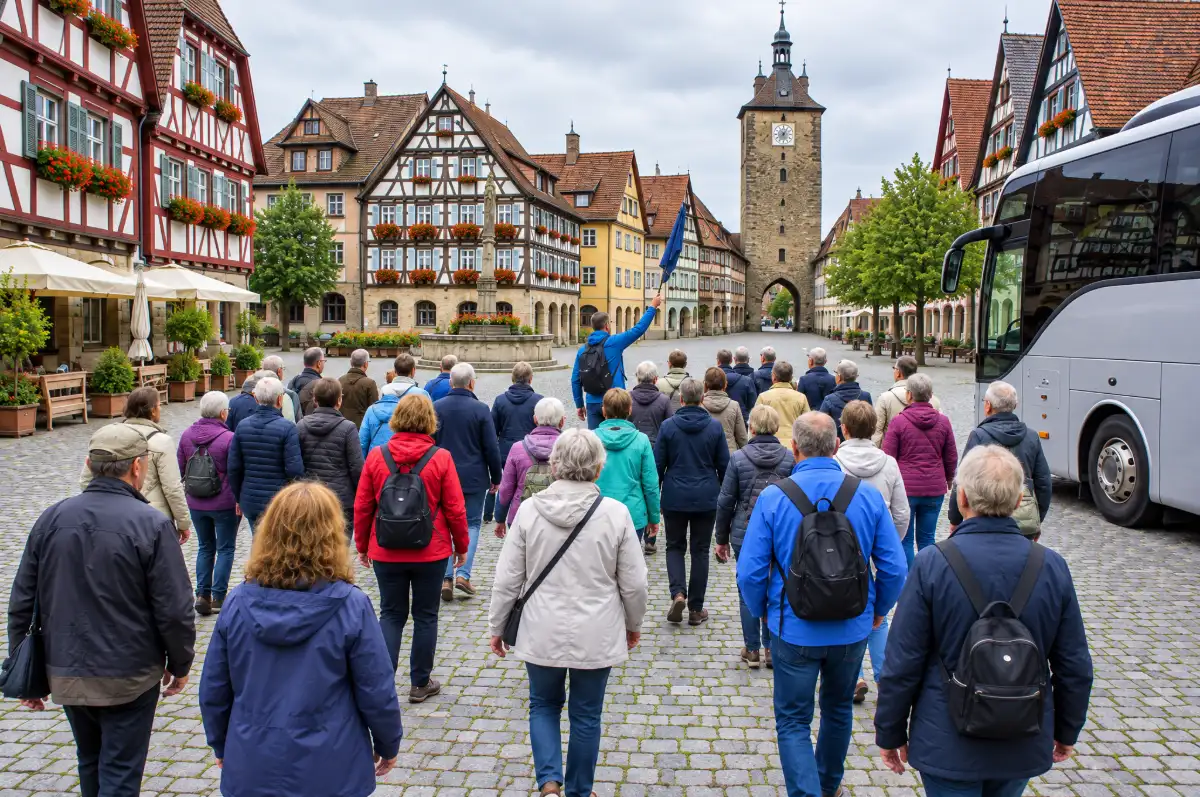
Picture two trips to the same place. On the first, you step off a 50-seat coach with a crowd, follow a raised umbrella through the gates, and listen to your guide through a headset. On the second, you walk in with a handful of people you’ve already shared three dinners with, and your guide stops mid-sentence because someone spotted something interesting. Same temple, very different day. That’s the real choice behind small group tours versus large group tours, and neither one is right for everybody.
We plan group trips for a living, so we see both sides. This guide walks through what each style is actually like, what it costs you, and how to pick the one that fits the way you like to travel.
What Counts as a “Small” Group Tour?
There’s no official rule, which is why one company’s “small group” can look a lot like another company’s bus tour. In practice, most travelers and tour operators use rough bands like these:
- Small group: about 10 to 16 travelers. Some operators go smaller and cap trips at 12.
- Mid-size group: roughly 17 to 30. It still feels manageable, but you won’t get to know everyone.
- Large group: 30 to 50 or more, usually built around one full-size motorcoach.
One tip before you compare any two tours: look for the maximum group size, not the average. “Average group size of 14” can still mean 28 people on your departure.
Small Group Tours vs Large Group Tours at a Glance
| Small group tour | Large group tour | |
|---|---|---|
| Typical size | 10–16 travelers | 30–50+ travelers |
| Price per person | Usually higher | Usually lower |
| Transportation | Minivan, small coach, trains, boats | Full-size motorcoach |
| Time with your guide | Easy to ask questions | Often through headsets |
| Pace | Quicker stops, some flexibility | Fixed schedule, more waiting |
| Social feel | You’ll know everyone by day two | Big mix of people, smaller circles |
| Best for | First trips abroad, solo travelers, culture lovers | Budget travelers, big families, classic highlights |
Why Small Group Tours Feel So Different
You actually get to know people
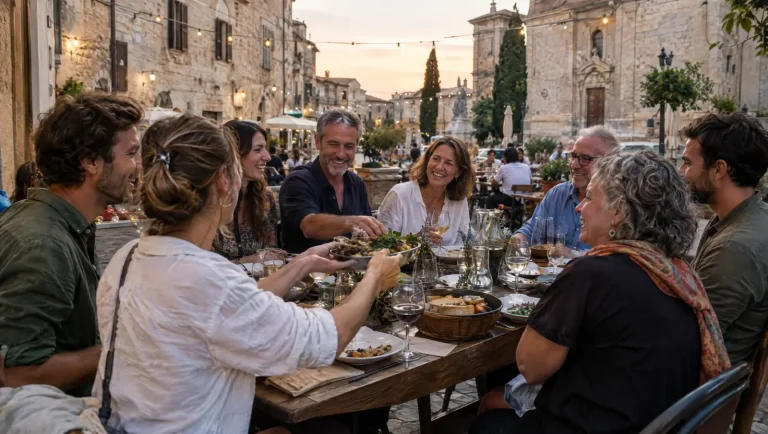
With a dozen people, names stick by the first evening. You end up at the same dinner table, trading snacks on the train, and saving each other seats. It’s common for small groups to leave with a group chat that keeps going long after everyone flies home. For a solo traveler, that’s the difference between traveling alone and traveling on your own with friends nearby.
Less waiting, more seeing
Getting 12 people on and off a vehicle takes a few minutes. Getting 50 people through a restroom stop, a ticket gate, or a lunch buffet can eat half an hour, several times a day. Smaller vehicles can also go where big coaches can’t: narrow old-town streets, small family-run restaurants, local ferries, and overnight trains.
Your guide has time for you
In a small group, you can ask the question you’ve been wondering about without shouting over a crowd. Guides can read the room too. If everyone is tired, they can push a stop back. If everyone is fascinated, they can stay a little longer.
Experiences that only work in small numbers
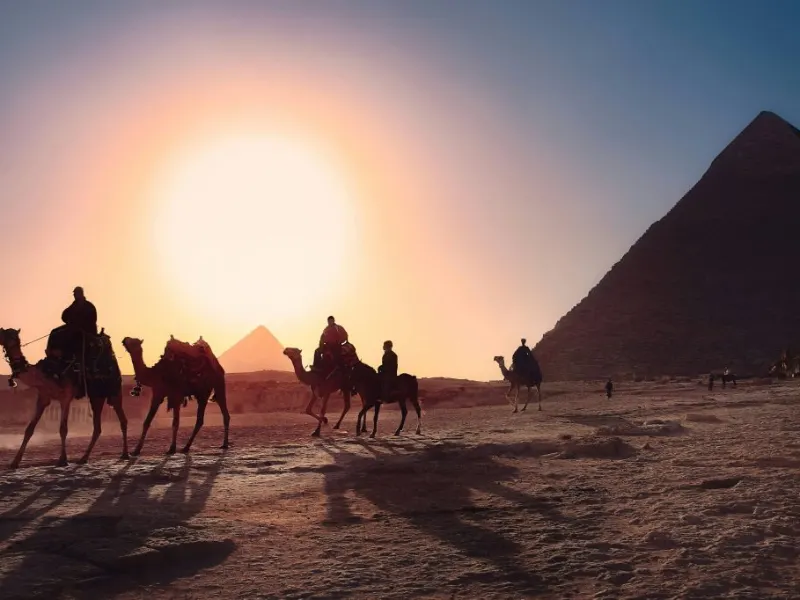
Some of the best travel moments can’t be done with a busload. Our small-group Egypt tour includes dinner with a Nubian family and a sail on the Nile in a traditional felucca near Aswan. Both work because the group is small enough to be guests, not a crowd.

Where Large Group Tours Shine
Big tours get a bad reputation they don’t always deserve. For plenty of travelers, they’re the smarter pick.
A lower price
A coach, a guide, and a driver cost roughly the same whether 15 or 45 people are on board. Spread across more travelers, the price per person drops. If you want to see a lot of a country on a set budget, a larger tour often stretches your money further.
Lots of people to meet
Some people love the variety of a bigger group: retirees, families, honeymooners, and friends traveling together. If you enjoy meeting new people but like having room to drift between conversations, a big group gives you that.
Polished, predictable logistics
Large tour operators run the same routes many times a season. Hotels, entry times, and meals are well rehearsed, and departures are frequent, so it’s easier to find dates that work.
Great for big families and reunions
If you’re bringing eight relatives across three generations, you might fill half a small group on your own. A larger tour lets your family stay together without taking over the trip.
The Trade-Offs Nobody Mentions
Every group size has a catch, and it’s better to know them before you book.
- Small groups cost more and sell out sooner. With only a few seats per departure, popular dates fill early.
- Personalities matter more in a small group. With 12 people there’s nowhere to hide from the one person who’s always late. It rarely ruins a trip, but you’ll notice it.
- Large groups move on a strict schedule. Fifty people can’t linger, so free time is often short and timed.
- Big groups often mean headsets and crowds. At busy sites, you may hear your guide through an earpiece while trying to keep the group in sight.
- “Small group” can be a marketing phrase. Always check the maximum size in writing.
Which Is Better for Your First Trip Abroad?
If you’ve never traveled internationally, either style takes most of the stress off. Someone else books the hotels, handles the transfers, knows the local customs, and keeps track of the schedule. That alone is why so many people choose a group for their first trip overseas.
For most first-timers, though, we lean toward a smaller group. You get more help when you need it, like changing money, reading a menu, or finding the right platform. You’re also never just a number. And if you’re going solo, a small group makes it easy to settle in fast, because you’re one of a dozen people getting to know each other, not one of fifty.
Whatever you choose, a couple of free tools are worth setting up before any trip abroad. The U.S. State Department’s Smart Traveler Enrollment Program (STEP) lets the nearest U.S. embassy reach you in an emergency. Its country information pages list entry rules, visa needs, and local laws for every destination. When it’s time to pack, our international travel packing list for first-timers walks you through what to bring.
Questions to Ask Before You Book Any Group Tour
Whether the tour is small or large, these questions will tell you a lot about what you’re really buying:
- What’s the maximum number of travelers? Get the real number, not the average.
- Who is the guide? A local expert, a tour director who travels with you the whole time, or both?
- What’s included, and what isn’t? Check meals, entry fees, tips, airport transfers, and optional excursions.
- How much walking is there? Ask about daily distances, stairs, and uneven ground.
- How much free time is built in? Some people want every hour planned. Others want afternoons to wander.
- Is there a single supplement? Solo travelers often pay extra for a private room, so ask early.
- What kind of hotels and transport are used? Central hotels and trains feel very different from highway hotels and long coach days.
How We Run Group Trips at The Wandering Mouse
We focus on smaller-group itineraries because we value the personal connections that come with them. You don’t need to know anyone before you join. Solo travelers, couples, friends, and families are all welcome. If you’re going alone, our guide to group trips for solo travelers answers the usual questions. In a smaller group, people get to know each other, build friendships, and sometimes feel like a new family by the end of the trip.
Here’s what’s coming up for 2027:
- Egypt (January 29 to February 6, 2027): nine days from Cairo to Aswan and Luxor, with the Giza Pyramids, the Grand Egyptian Museum, an overnight sleeper train, Philae Temple, and the Valley of the Kings. Space is limited, so this is a true small-group trip. See the Egypt itinerary, or read our guide to the best time to visit Egypt.
- Taste of Ireland (March 11 to 19, 2027): a guided trip timed for St. Patrick’s Day, with Blarney Castle, the Ring of Kerry, and the Cliffs of Moher. Explore the Ireland trip.
- Germany (June 6 to 13, 2027): eight days from Berlin to Munich by way of Dresden, Rothenburg, and Neuschwanstein Castle. Small-group departures are available. View the Germany tour, or read our guide to planning a trip to Neuschwanstein.
Want to see everything on the calendar? Browse all upcoming group trips, or send us a message and we’ll help you find the right fit.
Frequently Asked Questions
What is a small group tour?
A small group tour is a guided trip with a capped number of travelers, usually about 10 to 16. You travel with the same people and guide for the whole trip, often in smaller vehicles, so stops are quicker and it’s easier to get to know everyone.
Is 20 people a small tour group?
Not really. Twenty people sits in the middle. It’s much smaller than a 50-person coach tour, but most travelers think of “small group” as 16 or fewer. If group size matters to you, ask for the maximum in writing.
Are small group tours worth the extra cost?
For many travelers, yes. You pay more per person, but you usually get more time with your guide, less waiting, and experiences that don’t work with big crowds. If your top priority is seeing the most for the least money, a larger tour may be the better value.
How many people are on a large group tour?
Large group tours usually carry 30 to 50 travelers, roughly one full-size motorcoach. Some popular routes run even bigger groups split across more than one coach.
Can I join a group tour as a solo traveler?
Absolutely. Group tours are one of the easiest ways to travel solo, because you have company, a guide, and a set plan. Ask whether a single supplement applies, and whether you can be matched with a roommate.
Are group tours good for first-time international travelers?
Yes. Group tours handle hotels, transfers, and most of the planning, and a guide helps with language, money, and local customs. That support makes a first trip abroad much less intimidating.
Ready to try a small group trip? See our upcoming trips or contact us with your questions. We’d love to help you plan.
Upcoming group trips


Not sure which trip is right for you?
Tell us how you like to travel and we'll help you find the right group, dates and budget.
More travel tips
Group Trips for Solo Travelers: How to Travel Alone Without Being Alone
No travel buddy? No problem. Here's how group trips work when you're traveling solo, from single supplements to making friends on day one.
October 23, 2026 · 7 min read